Choosing a gift for a child aged three to five can be surprisingly difficult. Preschoolers are full of ideas, developing new abilities quickly and often very clear about what they like — at least until something else captures their attention five minutes later.
The best gifts for 3–5-year-olds are not necessarily the biggest, loudest or most complicated. They are the ones that match the child’s interests and invite them to create, move, build, pretend or explore in their own way.
Quick answer: What are the best gifts for children aged 3–5?
Good gifts for preschoolers include:
- Open-ended building and stacking toys
- Dress-up and pretend-play accessories
- Art and craft materials
- Balance and active-play equipment
- Child-friendly cameras and discovery toys
- Sensory and tactile toys
- Practical preschool accessories
- Play tents, night lights and cosy room gifts
Age is a useful starting point, but personality matters just as much. A thoughtful four-year-old who enjoys arranging small worlds may want something very different from an energetic child who turns every room into an obstacle course.
Explore gifts and toys for children aged 3–5, or use the Gravitaly Gift Finder to narrow your options by age, interest and type of play.
Why the right gift matters at ages 3–5
Between three and five, children become increasingly independent. Their stories grow more detailed, their questions become more inventive and their play begins to include longer sequences, new roles and increasingly ambitious plans.
A cardboard box may become a veterinary clinic. A row of cushions may turn into a bridge. A wooden block may be a phone, a cake or a passenger on a train.
This is why versatile gifts often remain interesting longer than toys built around one fixed action. A good preschool gift gives the child a starting point without deciding the entire game for them.
Play can offer natural opportunities to practise language, coordination, problem-solving, cooperation and self-expression. It should still feel like play, however — not a lesson disguised in colourful packaging.
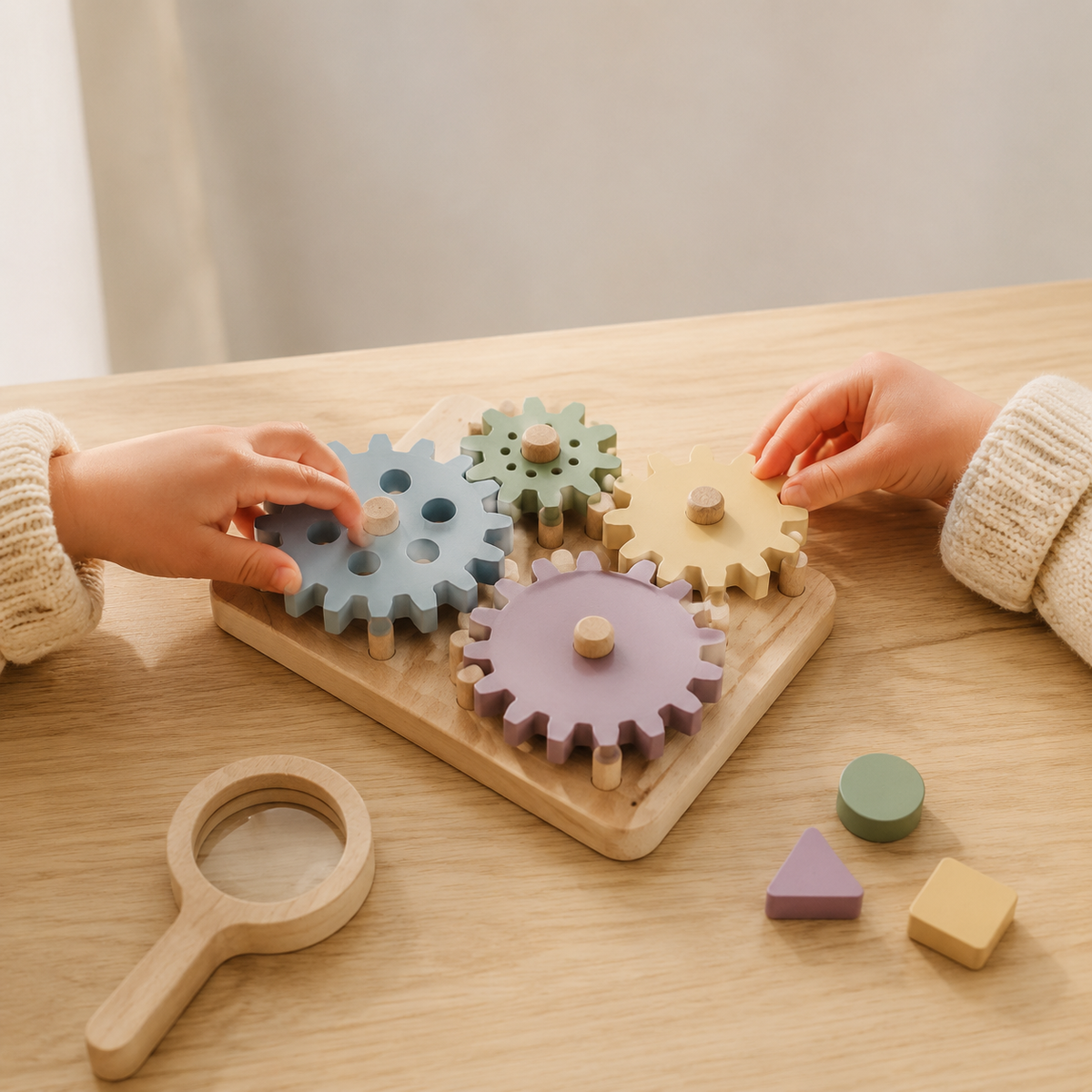
1. Open-ended toys for children who love to build
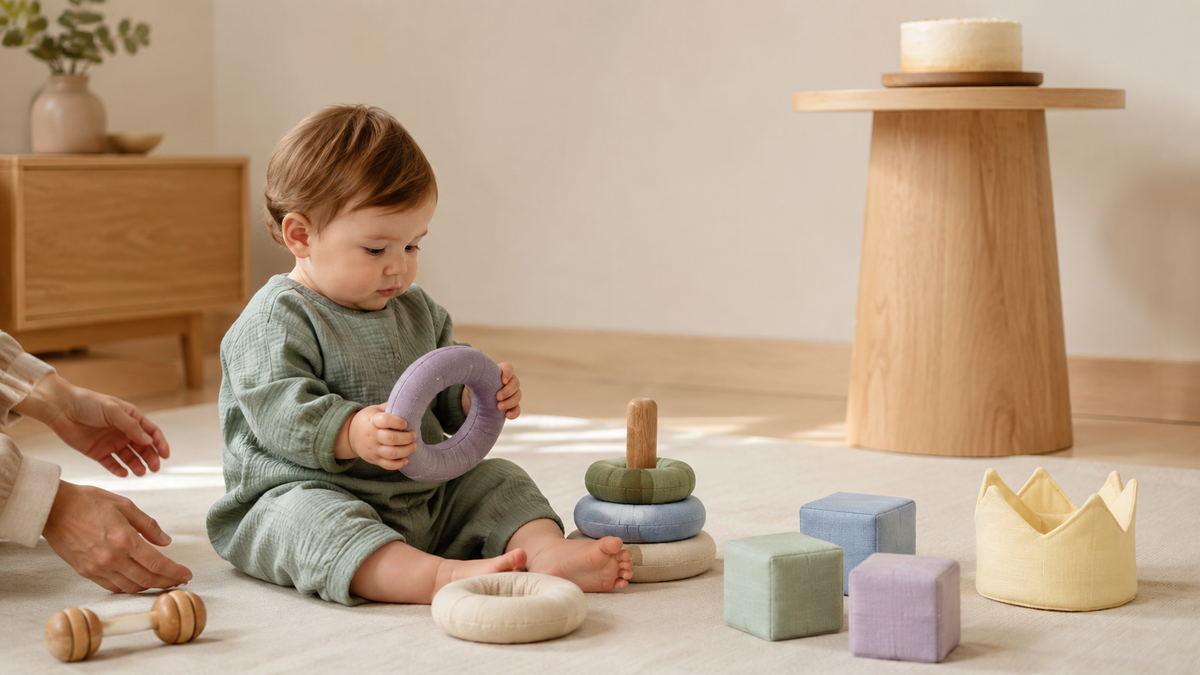
Blocks, stacking pieces and construction toys can be used differently every time they come off the shelf.
One day, they become a tower. The next, they are a road, a tiny home or food for a pretend café. There is no single correct result, which gives children space to test ideas, rebuild and create their own stories.
When choosing an open-ended toy, look for:
- Pieces that are suitable for the child’s age
- A design that can be used in several ways
- Enough challenge to remain interesting without causing constant frustration
- Durable materials and a finish suited to regular play
- A set that can work with toys the child already owns
Browse wooden classic toys for building, stacking and imaginative play.
Best for: patient builders, problem-solvers and children who enjoy making their own rules.
2. Dress-up gifts for imaginative storytellers
Preschoolers often explore the world by pretending to be someone else. A cape, mask or simple costume can begin an afternoon of storytelling without requiring a detailed play script.
Dress-up play may give children opportunities to experiment with language, cooperation and different points of view. They can become a doctor, explorer, shopkeeper, dragon or an entirely new character of their own invention.
Avoid costumes with unnecessary complexity. A versatile cape or a small collection of accessories can inspire more stories than an outfit linked to only one character.
Explore dress-up and pretend-play gifts.
Best for: performers, storytellers and children who enjoy creating imaginary worlds.
3. Creative gifts for children who like making things
Art materials make excellent gifts because there is no need to produce a perfect result. Drawing, painting, modelling and simple craft projects allow children to explore colour, shape and texture at their own pace.
A useful creative gift might include:
- Washable drawing or painting materials
- Modelling materials suitable for the child’s age
- A sketchbook or roll of paper
- Stickers and simple collage supplies
- Child-appropriate tools used with adult supervision
- An apron or easy-to-clean activity mat
Choose a manageable set rather than an enormous box with dozens of unfamiliar materials. Children are often more creative when the choice in front of them feels inviting rather than overwhelming.
Best for: makers, experimenters and children who enjoy quiet hands-on activities.
4. Active gifts for children who rarely stop moving
Some preschoolers need to climb, carry, balance and move as naturally as other children need to draw or build.
Balance beams, stepping elements and versatile indoor climbing equipment can turn movement into an imaginative game. A balance path may become a bridge over a river, a mountain trail or part of a delivery route for toy animals.
Before choosing a larger active-play gift, check:
- The manufacturer’s age recommendation
- The available floor and storage space
- The child’s current physical confidence
- The level of supervision required
- The maximum user weight
- Whether siblings may try to use it at the same time
Active-play equipment should always be used according to the product instructions and with appropriate adult supervision.
Best for: energetic preschoolers, indoor adventurers and children who enjoy physical challenges.
5. A first camera for curious observers
Children notice details adults often walk straight past: an unusual stone, a funny shadow or a snail making its way across the pavement.
A simple child-friendly camera gives them a way to record those discoveries and tell stories from their own point of view. It can also turn an ordinary walk into a small creative expedition.
Try giving the child a gentle photo prompt:
- Find five things in the same colour
- Photograph something tiny
- Create a picture story about a favourite toy
- Take photographs of interesting shapes
- Make a nature gallery after a family walk
Look for a camera with straightforward controls, a shape suitable for small hands and an official age recommendation appropriate for the child.
Best for: explorers, collectors, young storytellers and children who notice every little detail.
6. Sensory gifts for satisfying hands-on play
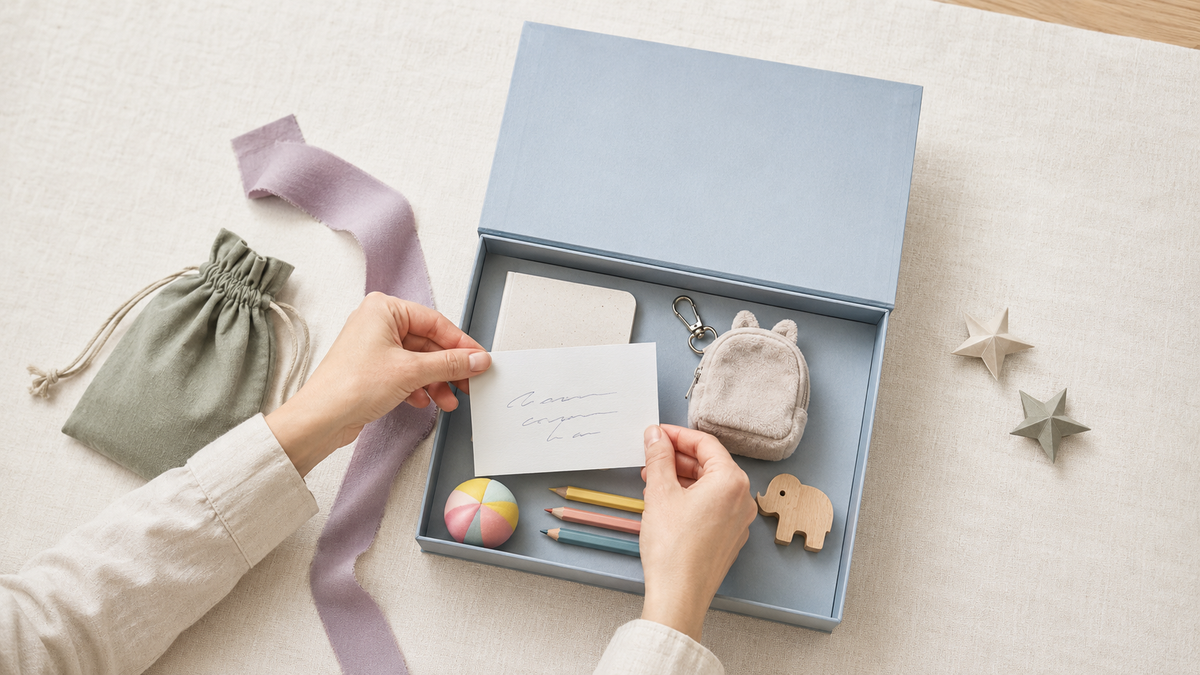
Sensory toys invite children to squeeze, press, stretch or explore texture. They can work well as small birthday presents, travel companions or additions to a personalised gift box.
The right sensory toy depends on the experience the child enjoys. Some prefer very soft, slow-rising textures, while others enjoy firmer objects or toys with simple movements.
Always check the individual age guidance and inspect sensory products regularly. Stop using a toy if it becomes torn, cracked or begins to leak. Squishies and food-shaped sensory toys are not food and should not be bitten, licked or chewed.
Best for: tactile explorers, collectors and children who enjoy small, playful surprises.
7. Practical gifts that still feel personal
A backpack, lunch box or reusable bottle can be a genuinely exciting gift when it reflects the child’s personality.
At this age, many children feel proud when they can carry their own belongings, recognise their bag and take responsibility for small everyday tasks. A familiar colour or favourite animal can make a practical object feel entirely their own.
Useful preschool gift ideas include:
Check the dimensions and capacity rather than choosing by appearance alone. A preschool backpack should fit the child comfortably and hold what they actually need without encouraging them to carry unnecessary weight.
Best for: preschool starters, young travellers and children entering an “I can do it myself” stage.
8. A play tent or cosy room gift
A play tent can become a castle, campsite, shop, reading den or quiet place to retreat after a busy day.
The value comes from the space it creates rather than the number of accessories placed inside it. A cushion, two favourite books and a soft toy may be enough. Leaving part of the tent empty gives the child room to decide what it should become next.
Browse play tents and hideaways for imaginative play and cosy reading corners.
A night light, soft room accessory or comforting companion can also make a thoughtful present for children who enjoy quieter routines.
Best for: little readers, imaginative children and preschoolers who appreciate a cosy corner of their own.
How to choose for a 3-, 4- or 5-year-old
Children do not develop according to a perfectly tidy timetable, but age can help you adjust the level of complexity.
Gifts for 3-year-olds
Three-year-olds often enjoy simple pretend play, large stacking pieces, tactile toys and activities with an immediate result.
Choose clear, manageable play opportunities and check carefully for small parts. Complicated rules and projects requiring long periods of concentration may still need substantial adult help.
Gifts for 4-year-olds
Many four-year-olds are ready for longer stories, more detailed construction and creative projects with several steps.
They may enjoy costumes, tents, simple cameras, puzzles, building toys and active-play equipment that gives them room to experiment.
Gifts for 5-year-olds
Five-year-olds may appreciate more complex challenges, detailed role play and projects that allow them to plan or personalise the outcome.
Creative kits, photography, construction toys, practical school accessories and cooperative games can all be good choices, depending on the child.
Always follow the manufacturer’s minimum age and safety guidance. An editorial age group should never replace the instructions for the individual product.
Choosing a gift by personality
When you are unsure, think about what the child already chooses to do.
For the builder: stacking pieces, blocks or construction toys.
For the performer: costumes, masks and pretend-play accessories.
For the artist: drawing, modelling or craft materials.
For the mover: balance equipment and active-play toys.
For the observer: a first camera or discovery activity.
For the child who loves a cosy retreat: a play tent, soft companion or room light.
For the independent preschooler: a backpack, lunch box or bottle they can use every day.
A good gift does not have to represent every interest the child has. It only needs to connect with one part of their world.
How much should you spend?
There is no correct amount. A small present chosen with care can be more successful than an expensive toy that does not suit the child.
Under €20
Consider small sensory toys, creative accessories, backpack charms or practical little surprises. You can also browse gifts under €20.
€20–€60
This range may include dress-up accessories, selected wooden toys, backpacks, lunch sets and creative activities.
€60–€150
Possible options include child-friendly cameras, larger construction toys and selected balance equipment.
Over €150
Play tents, climbing structures and multifunctional play furniture can work well as shared gifts from grandparents, relatives or several friends.
A larger price tag does not automatically mean better play value. Suitability, durability and genuine interest matter more than the size of the box.
What to check before buying
Take a minute to confirm:
- The manufacturer’s recommended age
- Any small-parts warnings
- Materials and care instructions
- Product dimensions and available space
- The amount of adult supervision required
- Whether batteries or additional accessories are needed
- The child’s interests and current abilities
- Whether the family already owns something similar
For larger gifts, it is considerate to ask the parents first. Even a beautiful play structure can become a problem if there is nowhere safe to use or store it.
One thoughtful gift is enough
It is easy to feel that a present must be educational, beautiful, exciting, long-lasting and met with immediate delight.
That is a lot to ask of one object.
Choose something that suits the child, check the practical details and leave room for them to decide how to play with it. Often, the part they remember is not simply what they opened, but who sat down and entered the game with them.
Explore the complete collection for children aged 3–5, or use the Gravitaly Gift Finder to find ideas by age and interest.
GRAVITALY JOURNAL