A thoughtful children’s gift does not need to be large, noisy or expensive.
Sometimes the present that earns the biggest smile is a funny little character tucked inside a box. Sometimes it is a creative activity that occupies an entire afternoon. Sometimes it is a tiny object that mysteriously begins travelling everywhere with its new owner.
The secret is not to make an affordable gift look more expensive.
It is to make it feel personally chosen.
Whether you are shopping for a birthday, classmate, sibling, stocking filler or small “I saw this and thought of you” surprise, these ideas can help you choose something meaningful without spending more than €20.
Prices, promotions and availability can change. Always confirm the current price in your market on the product page and at checkout.
Browse the current Gifts Under €20 collection.
What are the best children’s gifts under €20?
Good affordable gifts for children include:
-
small creative activities;
-
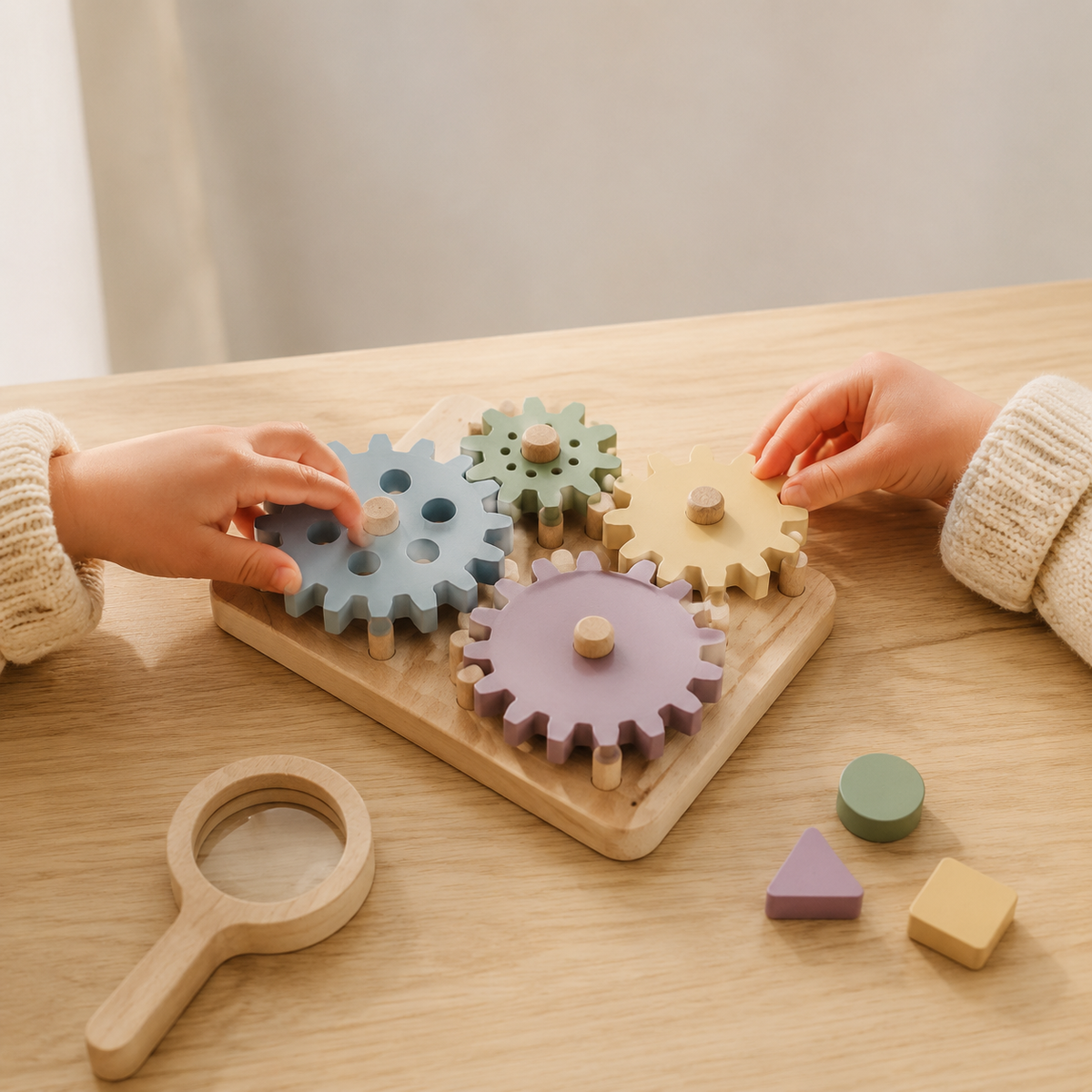
puzzles and compact building toys;
-
sensory or fidget toys;
-
collectable characters;
-
drawing supplies;
-
pencil cases;
-
backpack charms;
-
small pretend-play props;
-
soft companions;
-
hobby accessories;
-
travel activity kits;
-
themed mini gift boxes.
The right choice depends on the child’s age, interests and preferred way of playing. A small gift connected to something they already love will usually feel more personal than a larger but generic present.
1. A small creative activity
Creative gifts continue long after the wrapping has been removed.
They become pictures, models, decorations, characters or wonderfully unidentifiable masterpieces. They can be especially useful for children who already own plenty of conventional toys because the experience changes each time.
Depending on the child’s age, consider:
-
a small painting activity;
-
modelling materials;
-
a simple DIY kit;
-
paper craft;
-
threading or jewellery-making;
-
stickers and a notebook;
-
a mini sewing project.
Look for an activity that offers enough guidance to help the child begin without requiring the finished result to match the box exactly.
Browse arts, crafts and DIY activities.
2. Drawing supplies with a personal prompt
Fresh pencils, crayons or markers may appear practical, but to a child who loves creating, they are full of possibility.
Make a simple set with:
-
a small sketchbook;
-
a manageable selection of drawing tools;
-
a pencil pouch;
-
one handwritten challenge.
Try:
“Design a bedroom for a tiny dragon.”
“Draw the funniest breakfast imaginable.”
“Create an animal nobody has discovered.”
“Make a card for your future self.”
A thoughtful prompt transforms basic supplies into an invitation to create.
3. A puzzle or compact building toy
Puzzles and construction toys can offer satisfying screen-free play without requiring an enormous box.
Choose according to:
-
the manufacturer’s recommended age;
-
piece size;
-
the child’s previous experience;
-
the level of challenge;
-
fine-motor demands;
-
the presence of small parts.
The best difficulty level provides an achievable starting point and a reason to try again.
For younger children, look for larger pieces and a simple objective. Older children may enjoy more detailed puzzles, compact construction sets or activities with several possible solutions.
Explore puzzles, builders and construction toys.
4. A sensory or fidget toy
A small sensory toy can make a playful birthday addition, stocking filler or travel surprise.
Children may enjoy:
-
squeezing;
-
pressing;
-
stretching;
-
exploring texture;
-
collecting different characters;
-
using the toy in pretend play.
Choose according to the official age recommendation and inspect the product regularly for damage. Products containing small components are not suitable for children below the stated age.
Use accurate language when giving or describing sensory toys. A general fidget product can offer enjoyable tactile play, but it should not be presented as treating anxiety, improving concentration or providing therapy unless that use has been professionally established for the specific product.
Sometimes squeezing a funny toy is enjoyable simply because it is fun.
5. A small collectable
For a child who enjoys collecting, one new piece can feel more exciting than a completely unrelated large present.
Before choosing, ask:
-
What do they already collect?
-
Do they prefer specific characters, colours or themes?
-
Would they enjoy a surprise?
-
Are duplicates welcome or disappointing?
-
Do they have somewhere to keep the collection?
A tiny homemade collector card can make the gift more personal. Add the character’s name, favourite snack and special ability.
If the child wants one exact design, avoid a random mystery product. Surprise is delightful only when the recipient enjoys uncertainty.
6. A playful backpack charm
A backpack charm is a practical choice for a child who already owns many toys.
It can:
-
personalise an everyday bag;
-
reflect a favourite animal or character;
-
become part of a collection;
-
make the bag easier to recognise;
-
mark a milestone such as starting school or joining a club.
Check the fastening and age guidance before buying. Inspect the charm regularly for loose pieces and confirm that hanging accessories are permitted at the child’s school or nursery.
Browse backpack charms.
7. A pencil case filled with small surprises
A pencil case can become both the gift and its packaging.
Choose a design connected to the child’s personality and place one or two small items inside:
-
pencils;
-
stickers;
-
a tiny notebook;
-
an eraser;
-
a handwritten message;
-
a simple drawing prompt.
Avoid overfilling it with supplies the child does not need. A few carefully chosen pieces usually feel more intentional than a crowded collection of random stationery.
This works well for classmates, school milestones and older children who may prefer something useful to another toy.
8. A small pretend-play prop
Imaginative play does not always require a large kitchen, castle or theatre. One carefully selected object can start an entire story.
Consider:
-
a wand;
-
a crown;
-
a small cape or costume accessory;
-
pretend food;
-
an animal figure;
-
a puppet;
-
a tool for an imaginary profession;
-
a fabric bag for a pretend shop.
Choose an object that leaves the story open. A wand can belong to a fairy, scientist, conductor, explorer or inventor of new kinds of weather.
Browse creative and role-play toys.
9. A small soft companion
A soft character does not need to be enormous to feel important.
It may join bedtime stories, car journeys and imaginary games. Within a few hours, it can acquire a name, a favourite meal and an unexpectedly complicated backstory.
Make the gift more personal with:
-
a homemade adoption certificate;
-
a handwritten introduction;
-
a small storybook;
-
a fabric pouch;
-
an invitation to invent its first adventure.
When choosing for a baby or young child, check the precise age and use guidance. Follow current safe-sleep recommendations and do not place unsuitable toys or soft objects inside an infant’s sleeping space.
Explore soft toys for children.
10. An accessory for an existing hobby
Sometimes the best affordable gift is not a new activity. It is something that allows a favourite activity to continue.
Possible ideas include:
-
paper or other consumable supplies for compatible equipment;
-
a small case for creative tools;
-
replacement drawing materials;
-
a storage pouch;
-
an accessory for a child’s camera;
-
a notebook for a favourite project;
-
pieces that expand a compatible construction set.
Compatibility is essential. Confirm the exact product, model or size the child already owns before buying an accessory.
This approach works especially well for older children, who may prefer something connected to a real interest rather than a toy chosen only for their age.
11. A homemade travel activity kit
You do not need to buy a ready-made set to create a useful travel gift.
Start with a reusable pouch and add a few age-appropriate items:
-
a compact sensory toy;
-
a small notebook;
-
several pencils;
-
stickers;
-
a simple card game;
-
homemade “things to spot” cards.
The gift feels substantial because the items belong together, not because any one component is expensive.
For younger children, avoid small loose parts and check every item’s age and safety information.
12. A themed mini gift box
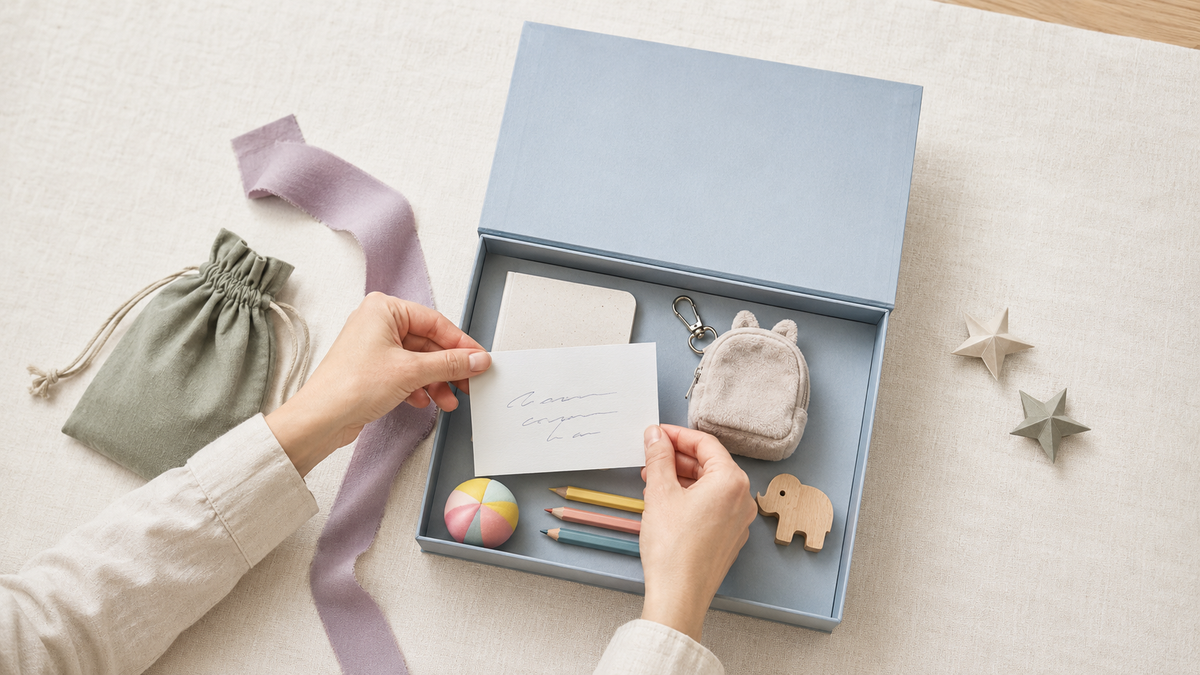
Two or three connected items can feel more personal than one unrelated present.
The Little Artist Box
Include:
-
a sketchbook;
-
pencils or crayons;
-
one small creative activity;
-
a handwritten prompt.
The Builder Box
Include:
-
a compact construction or puzzle activity;
-
a small figure;
-
a card with a building challenge;
-
a pouch for loose pieces.
The Sensory Discovery Box
Include:
-
one or two age-appropriate tactile toys;
-
a storage pouch;
-
a short character card or playful message.
The Young Explorer Box
Include:
-
a notebook;
-
pencils;
-
homemade observation cards;
-
an age-appropriate outdoor accessory.
Before buying several products, calculate the complete current price. Promotions, taxes and local currency conversion can affect whether the final set remains within the intended budget.
For more inspiration, read How to Build a Personalised Gift Box for a Child.
Affordable gifts for different occasions
Birthday gifts for classmates
Choose something compact, age-appropriate and easy for the receiving family to store.
Creative activities, small puzzles, stationery and collectable characters are useful starting points. Avoid highly personal products when you do not know the child well.
Stocking fillers
Small sensory toys, drawing supplies, backpack charms and mini craft activities can work well as stocking fillers.
Choose one or two pieces connected by a theme instead of filling the stocking with disposable novelty objects.
Small milestone gifts
A pencil case, charm, notebook or practical accessory can mark:
-
starting school;
-
joining a new activity;
-
completing a first performance;
-
learning a new skill;
-
taking a first trip;
-
becoming an older sibling.
The meaning comes from the occasion and your message, not the price.
“Just because” gifts
A small unexpected gift works best when it shows that you noticed something about the child.
It might be a tiny animal for someone who talks constantly about wildlife, a new sketchbook for a child who draws on every available sheet or a building challenge for the person testing the structural limits of the living-room furniture.
How to make an inexpensive gift feel special
Choose one theme
A clear idea makes a small present feel intentional.
Instead of combining unrelated items, build around:
-
drawing;
-
animals;
-
construction;
-
outdoor discovery;
-
pretend play;
-
a favourite colour;
-
starting school;
-
travel.
Add a handwritten message
Try:
“I saw this and thought of you.”
“For all the ideas you haven’t made yet.”
“A small surprise for your next big adventure.”
“This character has apparently decided to live with you.”
A few specific words can add more emotional value than another object.
Use reusable presentation
A fabric pouch, pencil case, storage box or small backpack can become part of the gift.
Check the total cost before purchasing packaging separately. The presentation should support the gift rather than consume most of the budget.
Include an invitation to play
Add a simple challenge:
“Can you build something taller than this box?”
“Give this character a name and a special power.”
“Draw an animal nobody has seen before.”
“Find five tiny outdoor wonders.”
The note helps the child imagine what might happen next.
What to check before buying
Before ordering an affordable children’s gift, confirm:
-
the current price in your market;
-
whether the displayed price includes applicable taxes;
-
delivery costs;
-
product availability;
-
the manufacturer’s age recommendation;
-
small-parts warnings;
-
required supervision;
-
materials and care instructions;
-
product dimensions;
-
compatibility with anything the child already owns.
Do not choose an unsuitable product simply because it falls within the budget. Age and safety requirements always take priority over price.
A small gift can still say something big
Children rarely remember exactly how much a present cost.
They are more likely to remember that it matched something they loved, contained a funny message or led to time spent making, building or playing together.
A thoughtful gift under €20 does not need to imitate a more expensive present.
It only needs to feel as though it was chosen for the child receiving it.
Browse the current Gifts Under €20 collection, or use the Gravitaly Gift Finder to explore ideas by age, interest, occasion and budget.
GRAVITALY JOURNAL