Squishies are soft, colourful and surprisingly difficult to put down. To an adult, they may look like simple novelty toys. To a child, however, one small squishy can be something to squeeze, collect, carry, trade or turn into the star of an imaginative game.
Their popularity is not driven by one feature alone. Squishies combine satisfying tactile play with playful designs, repetition and the excitement of discovering something new.
Here is why so many children enjoy them—and what parents should consider before choosing one.
What Is a Squishy Toy?
A squishy is a soft toy that compresses when squeezed and then returns to its original shape. Some spring back almost immediately, while slow-rising squishies take several seconds to recover.
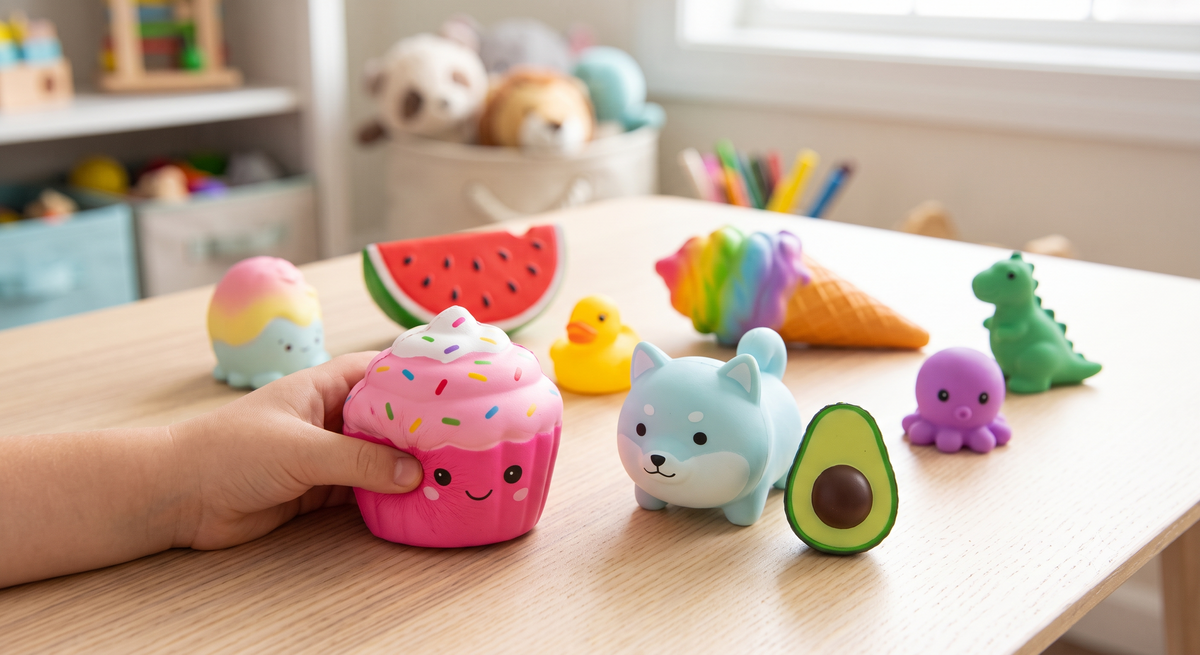
They come in an enormous variety of designs, including:
-
animals and fantasy characters;
-
miniature foods and desserts;
-
glittery or scented styles;
-
oversized characters;
-
pocket-sized collectibles;
-
surprise and mystery designs.
Squishies are often grouped with fidget and sensory toys, although their materials, firmness and intended ages can vary considerably.
1. Squeezing Them Feels Satisfying
The most obvious appeal is the way a squishy responds to touch.
A child presses it, watches it change shape and then sees it slowly return to normal. The result is immediate and predictable, which makes the action enjoyable to repeat.
Different children prefer different tactile experiences. One may like an extremely soft, slow-rising toy, while another may prefer a firmer squishy that quickly pushes back against the hand.
This does not mean every child will enjoy the same design. Texture, resistance, size and even surface finish can make a significant difference.
2. Repetitive Play Is Simple and Accessible
Squishies do not require instructions, batteries or a complicated setup. Children can begin playing as soon as they pick one up.
The basic movement is easy:
-
Squeeze.
-
Hold.
-
Release.
-
Watch the toy recover.
-
Do it again.
That simplicity is part of the attraction. Children do not always need a detailed activity or a measurable outcome. Sometimes they simply want something pleasant to do with their hands.
A compact squishy can also be convenient during journeys, waiting times or quiet moments at home—provided it is suitable for the child’s age and the setting.
3. The Designs Make Children Smile
Squishies rarely take themselves seriously.
They can look like smiling dumplings, sleepy animals, tiny cakes, colourful fruit or completely imaginary creatures. Their exaggerated expressions and unusual shapes give them personality before a child has even started playing.
A funny design can quickly become:
-
a character in a story;
-
a customer in an imaginary shop;
-
a passenger in a toy vehicle;
-
a resident of a doll’s house;
-
a companion for travel;
-
a playful decoration on a shelf or desk.
This is where a simple squeezing toy can move naturally into imaginative play.
4. Children Enjoy Collecting Them
Squishies are available in so many shapes, colours and sizes that they naturally lend themselves to collecting.
Some children organise them by colour or theme. Others give every character a name, arrange them on a shelf or trade designs with friends.
A collection can also inspire simple shared activities:
-
sorting by size, colour or type;
-
counting and comparing;
-
creating character families;
-
inventing stories;
-
designing a pretend café or shop;
-
making homemade collector cards.
The toy remains simple, but the way children use it can change from day to day.
5. Surprise Adds to the Excitement
Part of the appeal of collectible toys is not knowing exactly what will appear.
A mystery selection turns opening the package into an experience of its own. Children may enjoy comparing designs, discovering an unexpected favourite or sharing the moment with siblings and friends.
The Surprise Squishy Box works especially well for children who enjoy variety and the excitement of a random selection.
A surprise box will not suit every child, though. If the recipient wants one specific character or finds unexpected outcomes disappointing, choosing an individual design may be the better option.
6. They Are Easy to Carry and Share
Many squishies are small enough to fit in a bag, travel pouch or desk drawer. This makes them easy to bring on a journey or take to a friend’s house.
Their compact size also makes some designs suitable for:
-
small birthday gifts;
-
stocking fillers;
-
party bags;
-
travel packs;
-
rewards and everyday surprises;
-
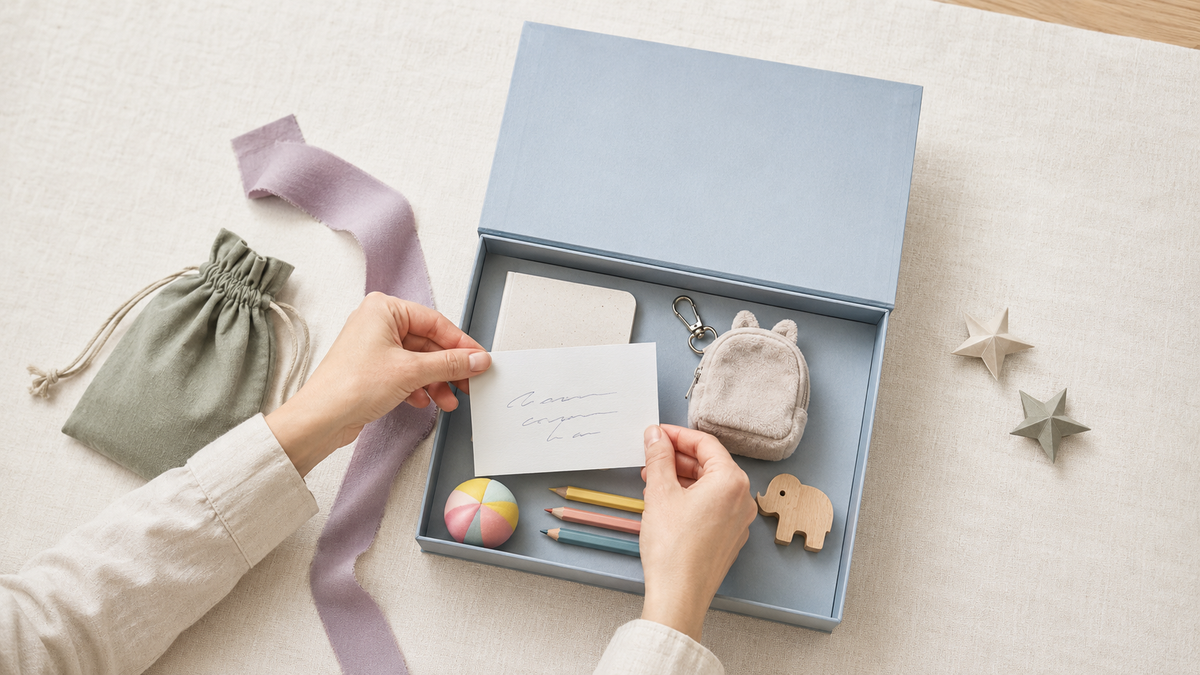
additions to a personalised gift box.
Before using them as party favours, check that every product is appropriate for the ages of all the children attending. Small parts can make certain designs unsuitable for children under three.
Are Squishies Educational Toys?
Squishies are not usually chosen as traditional learning toys, and they do not need to be turned into a lesson to justify play.
However, children may naturally use a collection for:
-
counting;
-
sorting and categorising;
-
comparing sizes and textures;
-
practising descriptive language;
-
storytelling;
-
sharing and exchanging;
-
pretend shops, cafés and adventures.
These possibilities depend on how the child chooses to play. A squishy does not automatically teach a particular skill, and there is nothing wrong with enjoying it simply because it is fun to squeeze.
Are Squishies Calming?
Some children and adults find repetitive hand movements pleasant during quiet moments. A soft object can offer something simple and familiar to hold or squeeze.
Experiences vary, however. Squishies are toys, not medical or therapeutic products, and they should not be presented as treatments for anxiety, ADHD, autism, concentration difficulties or sensory conditions.
If a child has specific sensory or therapeutic needs, seek advice from an appropriately qualified professional rather than relying on a general toy claim.
How to Choose the Right Squishy
The most popular design is not necessarily the right one for every child. Before buying, consider:
Age suitability
Check the manufacturer’s minimum-age recommendation and all warnings. Products containing small or detachable parts may present a choking hazard.
Size
Small squishies are easy to carry and collect. Larger ones offer a more substantial two-handed squeeze but require more storage space.
Texture and resistance
Think about whether the child prefers soft, slow-rising toys, firmer resistance or toys with pressable and movable parts.
Fixed or surprise design
Choose an individual product when the child has a clear favourite. Consider an assorted set when discovery and collecting are part of the fun.
Materials and scent
Materials differ between products. Read the individual listing rather than assuming every squishy is made from foam, silicone or natural rubber. If the child is sensitive to fragrances, check whether the product is scented.
For a more detailed comparison, read our guide to choosing a squishy toy.
Using Squishies Safely
Squishies may resemble sweets, fruit or desserts, but they are toys—not food or teethers.
For safer play:
-
follow the product’s stated age recommendation;
-
supervise play when instructed;
-
never allow children to bite, chew, lick or swallow the toy;
-
keep products with small parts away from children under three;
-
inspect the surface and attached elements regularly;
-
stop use if the toy tears, leaks or sheds material;
-
keep squishies away from pets, flames, heaters and excessive heat;
-
never put a squishy in a microwave;
-
follow the product-specific cleaning instructions.
Food-shaped designs can be particularly tempting to younger children. Make the distinction clear and store the toy safely when it is not being used.
How to Clean and Store Squishies
Care instructions depend on the toy’s material and construction, so always follow the information provided with the individual product.
Unless the manufacturer says otherwise, gently wipe the surface with a damp cloth and a small amount of mild soap. Allow the toy to air-dry fully away from direct heat and sunlight.
Do not soak, machine-wash or tumble-dry a squishy unless its instructions specifically permit it.
Store squishies in a clean, dry container or pouch. Avoid crushing them beneath heavier toys, as prolonged pressure may affect their shape or surface.
More Than a Passing Trend
Individual characters and viral designs will come and go, but the basic appeal of squishies is likely to last.
They bring together several things children have enjoyed for generations: hands-on play, funny characters, collecting, exchanging and creating stories. Their modern shapes and colours may change, but the pleasure of having a small object to squeeze, organise and carry is not new.
The best squishy is not necessarily the biggest or rarest. It is one that suits the child’s age, preferences and way of playing.
Explore the Squishy & Fidget Toys collection to compare different sizes, textures and designs.
Sometimes a toy does not need an elaborate purpose. Sometimes the satisfying squeeze is the whole point.
GRAVITALY JOURNAL